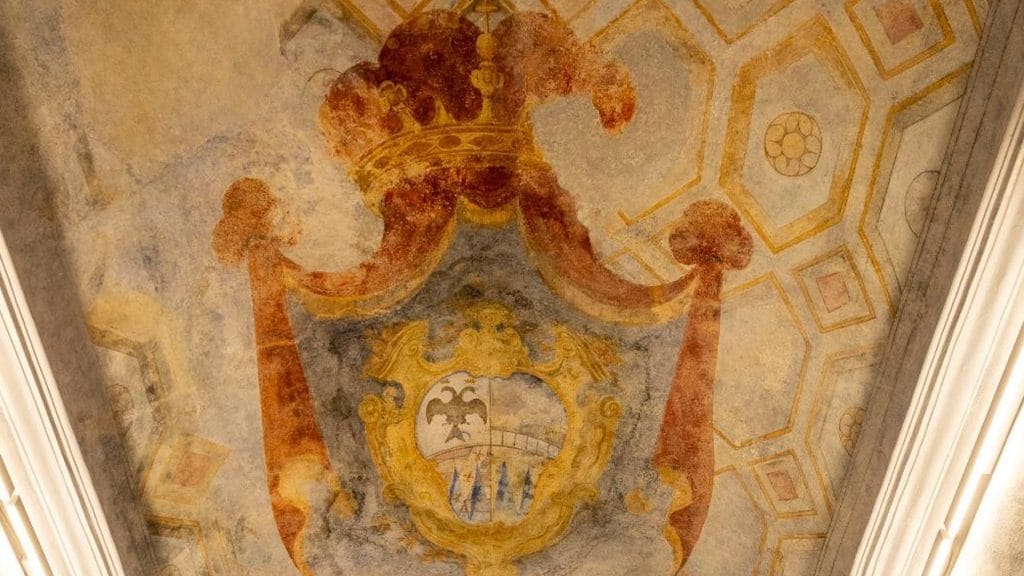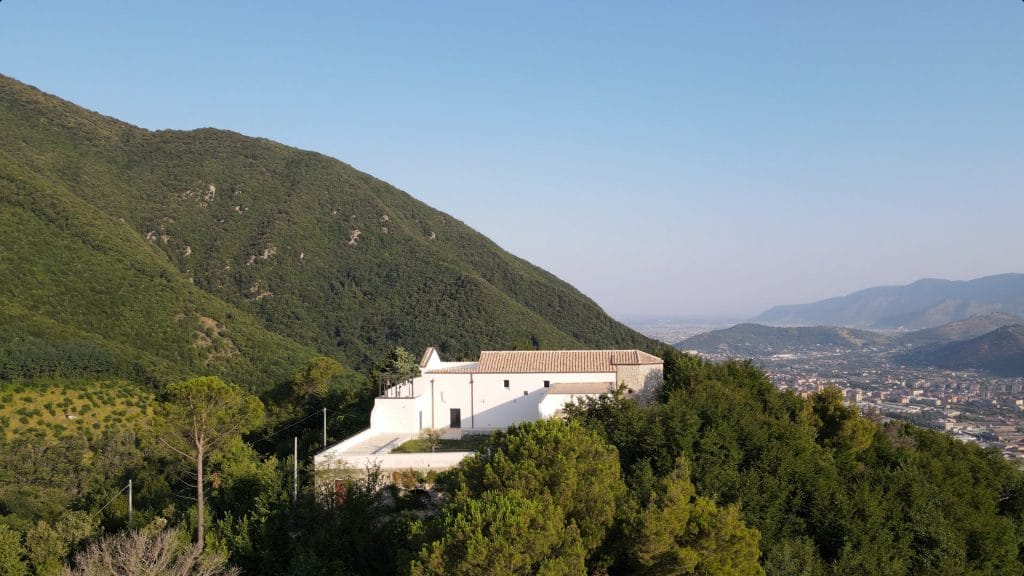

Founded around the year 1011 by Alferio, a noble hermit of Lombard origin, near a karst cave situated in the Lattari Mountains, the Benedictine Abbey of the Holy Trinity stands as one of the most distinguished and prestigious centres of spirituality and culture in the whole of southern Italy. Under the leadership of its third abbot, Pietro (1079), the monastic settlement underwent an extraordinary period of expansion, leading to the construction of a cloister and a new, larger church, which was solemnly consecrated by Pope Urban II in 1092. Between the eleventh and twelfth centuries, the monastery became the driving force behind the Ordo Cavensis, extending its spiritual and administrative authority over hundreds of religious communities and forging relationships on a European scale with the great abbeys of Cluny and Monte Cassino, relationships that were fostered and protected over time by the Lombard, Norman, Swabian and Angevin courts. Renowned for the theological rigour and holiness of its monks (among whom were four abbots proclaimed saints and eight proclaimed blessed), the Abbey was incorporated into the Cassinese Congregation in 1497 and, subsequently, in 1867, the entire monastic complex was declared a National Monument by the Italian State. Within its walls lies a heritage of exceptional artistic and historical value: the internationally renowned library holds a treasure trove of some 15,000 parchments dating from the eighth to the nineteenth century, as well as incunabula, finely illuminated manuscripts and sixteenth-century books. The tour of the complex is characterised by an extraordinary blend of styles and works of art, amongst which the Romanesque cloister stands out, the Lombard-era cemetery, early Christian sarcophagi of great value, a pulpit decorated in the Cosmatesque style, sculptures by the artist Tino di Camaino, and the ancient medieval frescoes housed in the Chapter House. Right up against the Abbey walls, between 1080 and 1090, the fortified village of Corpo di Cava took shape: this hilltop hamlet, originally built to offer shelter and protection to peasants, pilgrims and labourers, represented the very first settlement from which the entire Metellian civilisation developed.